
Up until now, our journey through the chakras has focused on physical survival, feeling secure, and finding our place in the world.
Anahata (the heart chakra) is where our focus turns inward. It marks a shift from basic survival instincts to the deeper realms of the mind, heart, and spirit. Here, we face a meaningful choice: remain tied to worldly desires, or rise above them to connect with our higher self.
In this emotional sanctuary, we learn to transform judgment into empathy, release old hurts, and rediscover deep inner peace.
The Divine Presences of Anahata
Guiding and protecting this space are divine energies:
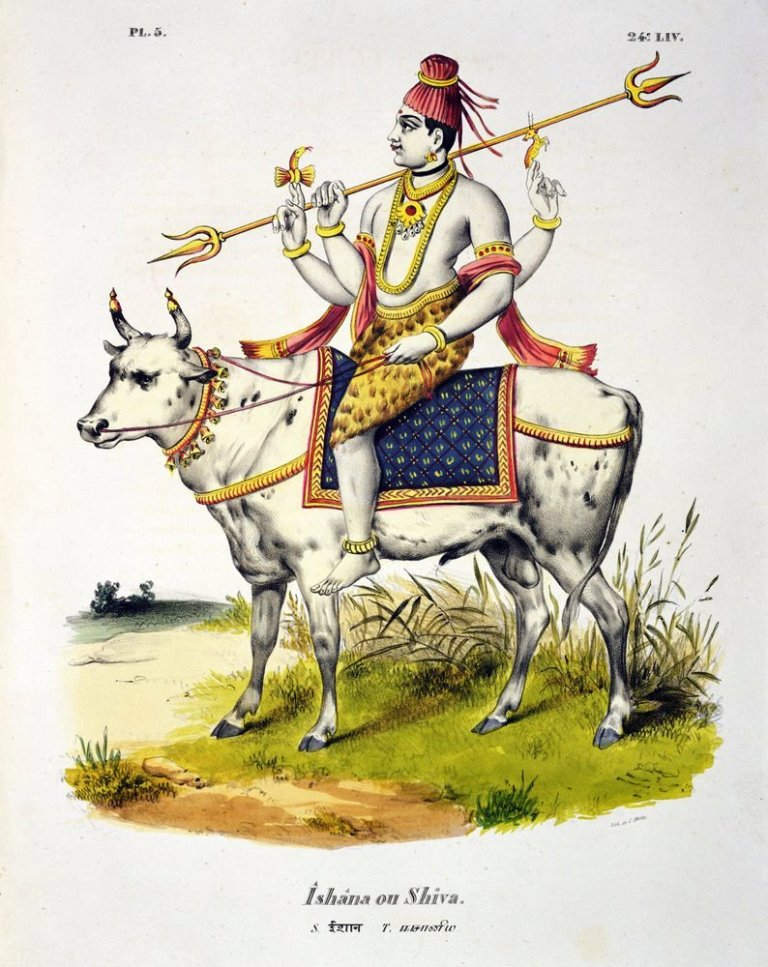
- Ishana Rudra Shiva: Represents pure, infinite space and spiritual consciousness.
- Kakini Shakti: Embodies deep emotional intelligence, warmth, and compassion.
- Goddess Kushmanda: The radiant, sun-like energy of creation and unconditional love.
- Lord Vayu: The deity of air and breath, bringing life force and fluidity to our feelings.
Together, these presences help quiet emotional storms, clear karmic patterns, and release stored trauma—opening the door to lasting peace and quiet joy.
Ishana Rudra Shiva: Pure Space
Ishana Rudra Shiva is one of the five aspects of Shiva and resides in the heart chakra. He represents the top of the sacred Shiva Lingam. He helps us let go of our attachment to the material world, leaving behind pure, infinite space that transcends time and physical dimensions.
Seated on a tiger skin, he blocks out worldly distractions that keep us feeling stuck. When we meditate on Ishana within our heart centre, it helps us detach from material desires; he guides us toward spirituality. By quieting mental clutter, the mind opens up to a more spiritual perspective. He is seen as the ultimate source of sacred wisdom and grace and acts as the doorway to consciousness.
- The Energy: Surrounded by a radiant halo and fine rings that symbolize the subtle vibration of the universe. His seed sound is YA, with a dot above his head representing the sacred sound OM.
- The Symbolism: These visual details are meant as tools for focus, not rigid physical forms.
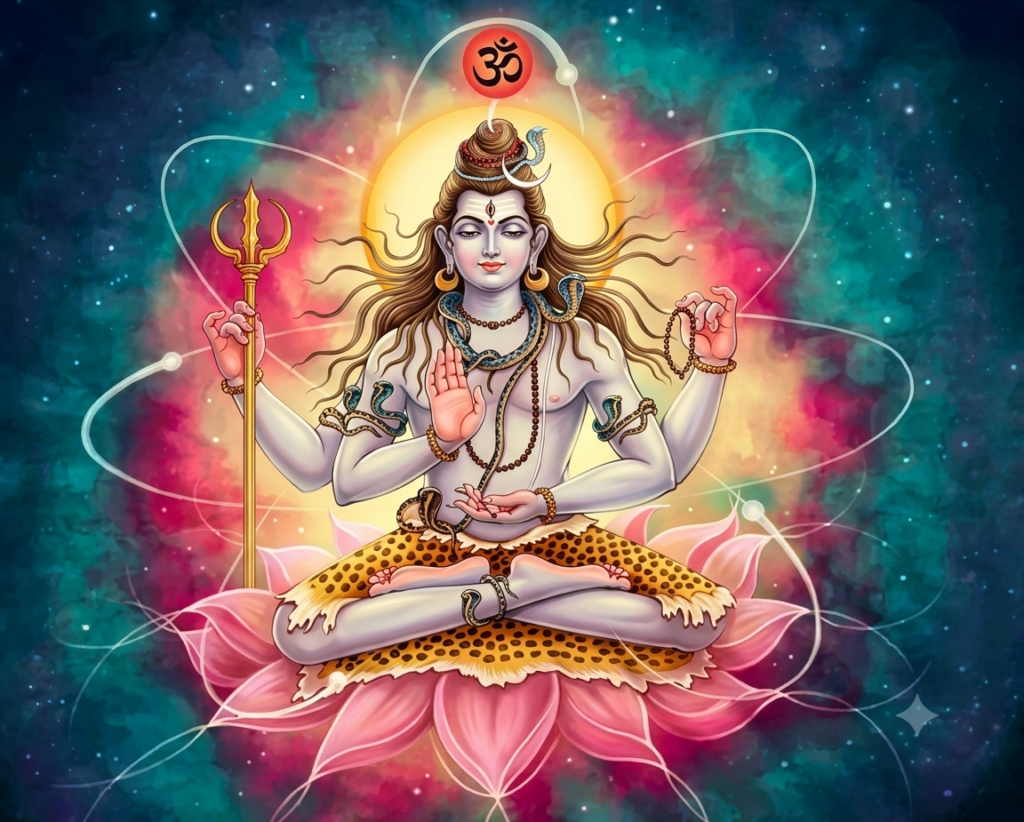
Visualized at the heart centre, Ishana Rudra Shiva rests in quiet meditation. Imagine a radiant form, clear crystal in colour, with a crescent moon upon his crown. His form radiates an infinite, soothing grace that dispels fear, melts away emotional obstacles, and gently guides the soul back to its natural state of peace. He has three eyes and holds a trident in one hand, a string of prayer beads with his remaining hands held in the mantra of fearlessness and deep meditation.
Kakini Shakti: The Warmth of Emotional Intelligence
Devi Kakini is the feminine energy of Anahata, which activates the masculine energy of Ishana Rudra Shiva. Together they dwell in the radiant lotus petals of the heart centre. Her presence radiates maternal love, fearlessness, and inner peace; she embodies the deep emotional intelligence, compassion, and spiritual warmth of the heart centre.
She sits upon a red lotus and represents thedeep transformation that happens when old trauma and betrayals are alchemized into empathy, and emotional freedom as the heart opens.
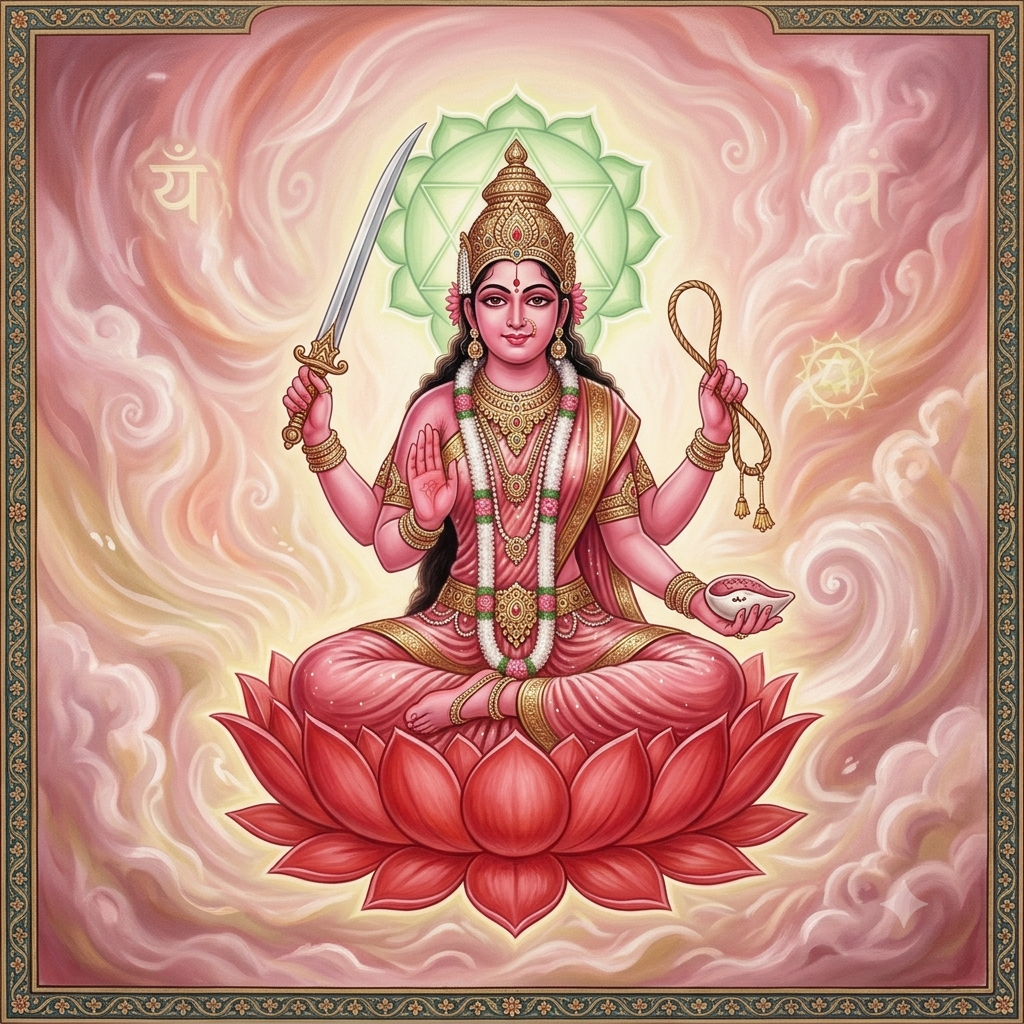
Kakini is visualized with a radiant, golden or rose-pink complexion that mirrors the gentle glow of the heart lotus. In her hands, she often carries a noose to gently pull you inward toward your true Self, a sword to cut through emotional attachments and a skull cup, to symbolize the release of ego and the joining of individual identity with the universal ocean of divine love.
Her hands are held in the gesture of granting boons and dispelling fear to offer reassurance that the heart space is a sanctuary of ultimate safety and grace.
The Goddess Kushmanda: The Heart as a Sun
Mother Kushmanda is like the sun; she lights up the world. A flash of her smile created the whole Universe. She lives in the sun and provides the energy for it to shine. She is Mother Nature, the original nurturing force that gives brings the universe to life.
Placing Maa Kushmanda at Anahata turns your heart centre into a mini-sun: a serene, tiger-guarded shrine of pink, yellow, and gold light that constantly radiates creation and warmth without ever demanding anything in return.
Her Form and Sacred Attributes
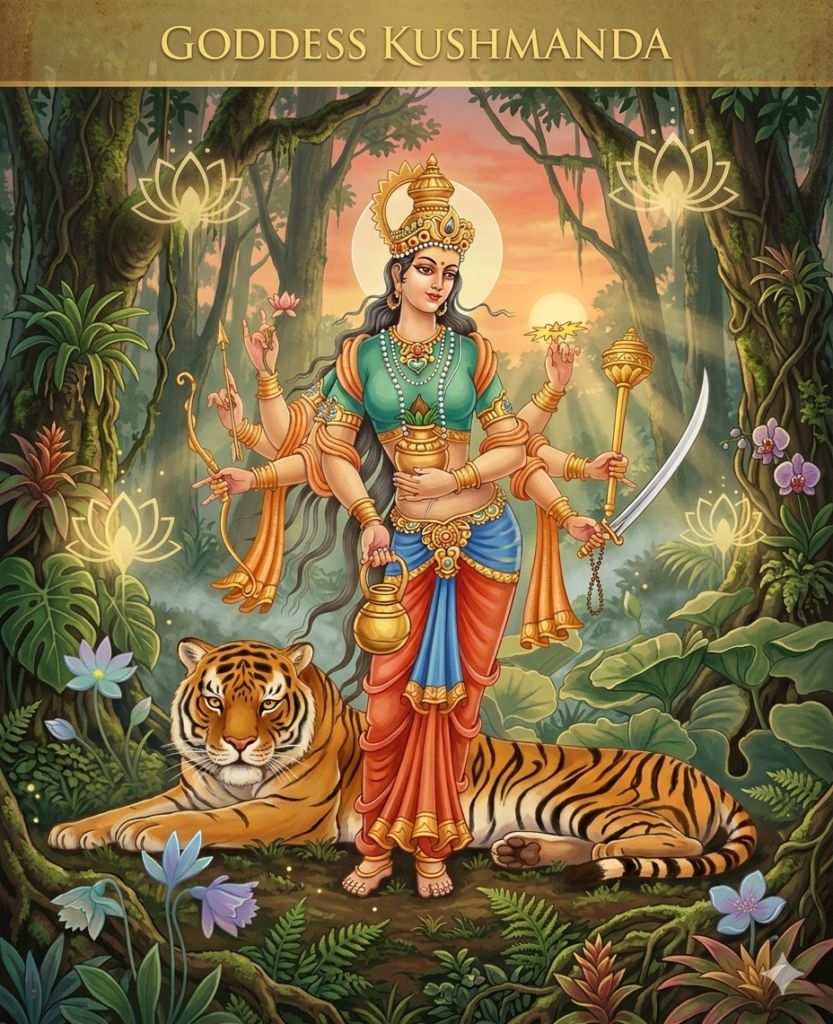
Maa Kushmanda has a golden, radiant complexion, peaceful eyes, and a serene demeanour. She wears clothing of pink and yellow, and her limbs are adorned with ornaments. She rides upon a tiger, giving her the strength, speed, and courage needed to guard the delicate, radiant light of creation. The tiger represents the raw, primal energy refined from the lower chakras. Seated calmly on top of it, Kushmanda demonstrates total mastery over instinct. She ensures that only pure, radiant, and courageous light ascends into the higher centres of speech and intuition.
In each of her 8 hands, she holds:
- Discus: to ward off negativity.
- Mace: a symbol of power and strength
- Mala Beads: offering perfections and treasures
- Nectar Pot: a pot holding the essence of life.
- Lotus Flower: peace.
- Bow and Arrow: focus.
- Water Pot: Represents self-sufficiency.
Through these tools, she can bestow the eight perfections ( siddhis) and nine jewels (nidhis).
Lord Vayu: The Freedom of Flow
Air (Vayu) is the fundamental element of Anahata Chakra. As the deity of wind, space, and vital breath (prana), Lord Vayu brings the unseen world into living form and represents the very first breath that animates every living creature.
Just as air cannot be trapped on your fist, the heart centre thrives when emotions, thoughts, and life force (prana) are allowed to flow freely without attachment. Meditating on Lord Vayu within our heart links our individual breath to the universal wind, turning every breath into a conscious movement of grace.
Vayu is portrayed with a bluish complexion, symbolizing the vast sky and the atmosphere. His robes billow softly around him, signifying the movement of life force (prana).
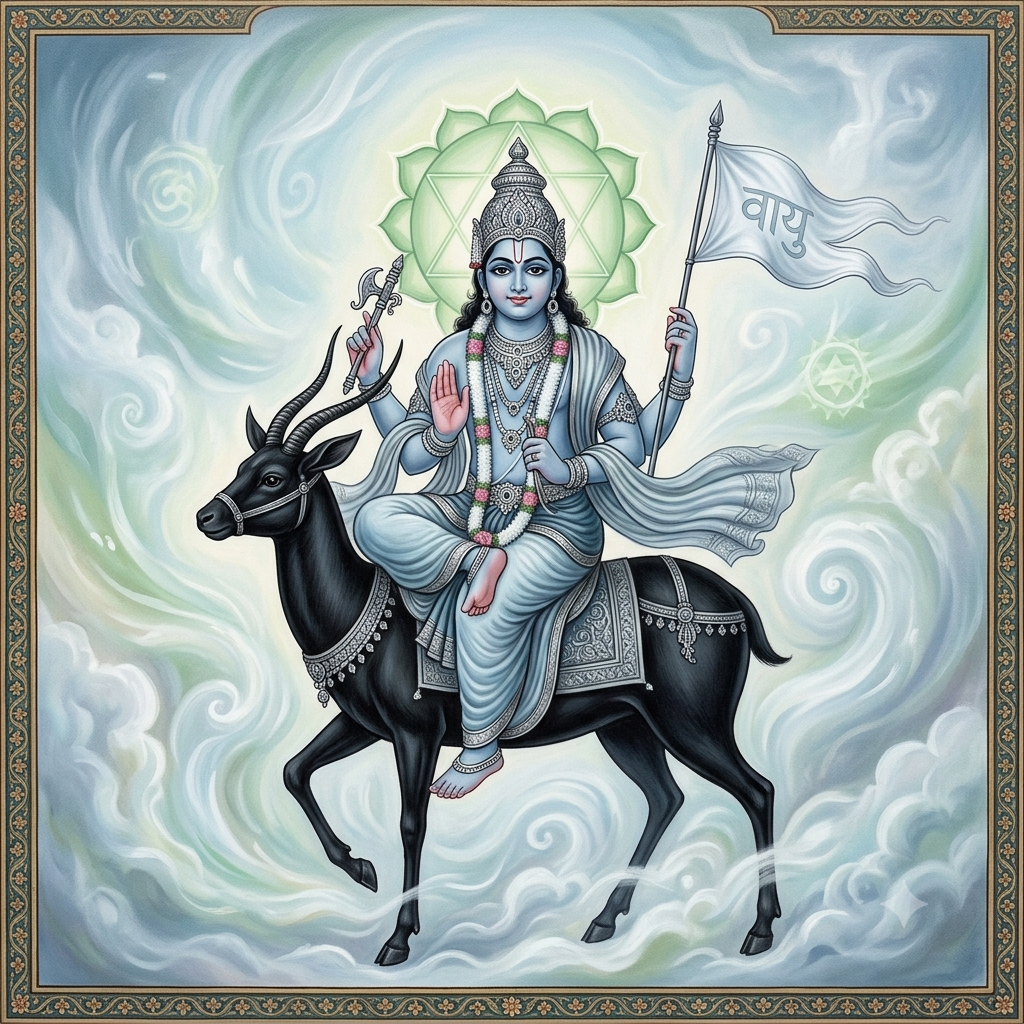
He rides upon a black antelope, representing the fleeting movement of thoughts that may be anchored through conscious breathing (Pranayama).
In his hands, he carries a fluttering white flag to represent the movement of air – the unseen energy of life, a sceptre or goad to guide the five vayus (directions of breath) within the body.
And the reassuring gesture of fearlessness. When the breath is steady and smooth, the heart is calm and protected from emotional turmoil.
The Black Antelope – Gentle and Alert
The animal associated with the Anahata Chakra is the Black Antelope. It is deeply symbolic of the qualities of the heart and the element of Air. A traditional rendering of the Anahata (Heart) Chakra yantra. The twelve green petals enclose the interlocking Shatkona star and the black antelope, which symbolizes the light and alert nature of the heart’s air element (Vayu).
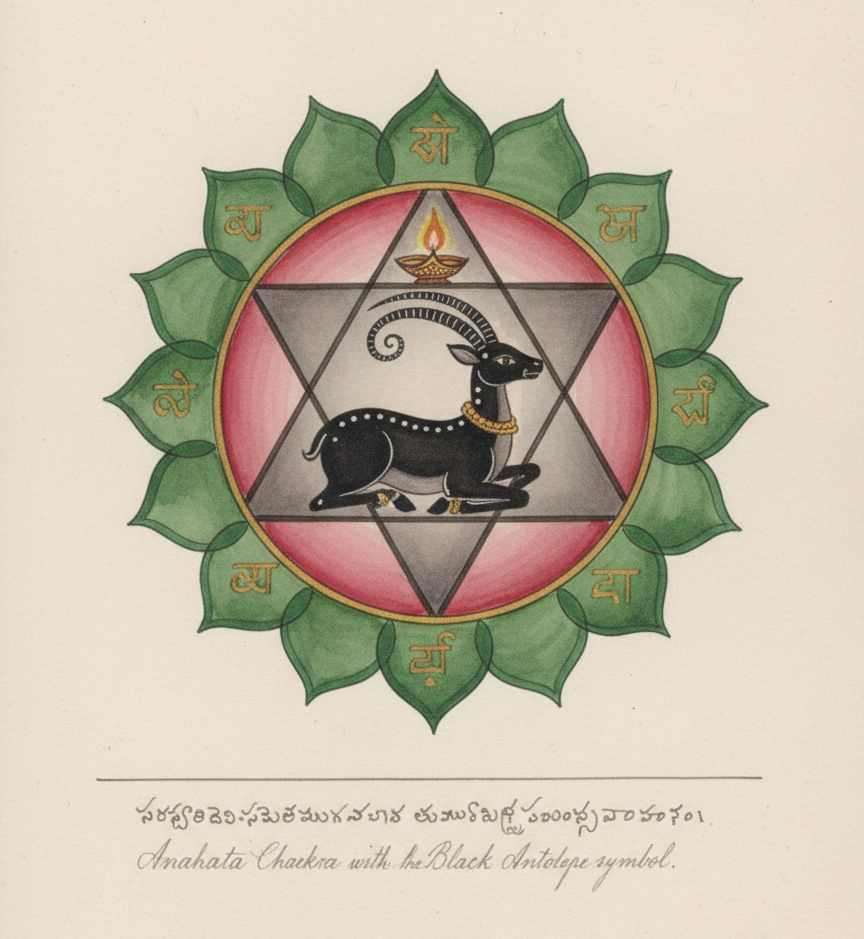
Known for its swift movement and incredible agility, the black antelope represents the mind and Prana (life force), which can change direction as quickly and unpredictably as the wind. Unlike the heavy elephant of Muladhara or the fierce makara of Svadhisthana, the antelope is a gentle creature—symbolizing the refinement of energy into non-violence (Ahimsa) and emotional innocence. Perpetually alert and responsive to its environment, it embodies the heightened awareness needed at the heart center to quiet mental chatter and listen deeply for the subtle “unstruck sound” (Anahata Nad) within.
The Quest for the Source: There is a famous poetic metaphor in Indian philosophy regarding the “Musk Deer” (a relative of the antelope). The deer spends its entire life frantically running through the forest searching for the source of a beautiful scent, only to eventually realize that the scent — the musk — comes from within its own body. This is the ultimate lesson of the Anahata: we search for love and peace in the “outside world” (the downward flow), only to find that the true source of joy has been seated in our own heart all along.
🌸 Explore the Heart Center
Continue your journey through the emotional, traditional, and modern layers of the Anahata Chakra.