

Klesha is a Sanskrit word that translates to an impurity, a hurdle, or a poison. In classical yoga philosophy, the Kleshas are the fundamental obstacles to attaining enlightenment and the root causes of all human suffering. They are the psychological veils that prevent us from achieving true union with Universal Consciousness.
Patanjali lists five specific Kleshas in the Yoga Sutras: Avidya (ignorance), Asmita (ego), Raga (attachment), Dvesha (aversion), and Abhinivesha (fear). When these five obstacles are cleared, the mind is finally liberated, bringing our entire being into absolute alignment with the world around us.
Avidya: The Root of Ignorance
At the base of all suffering is Avidya—the failure to see or know the truth of reality. Avidya is the process of forgetting our divine nature. It is believing completely in the illusion of Maya, mistaking that which is fluid and impermanent for something solid and permanent.
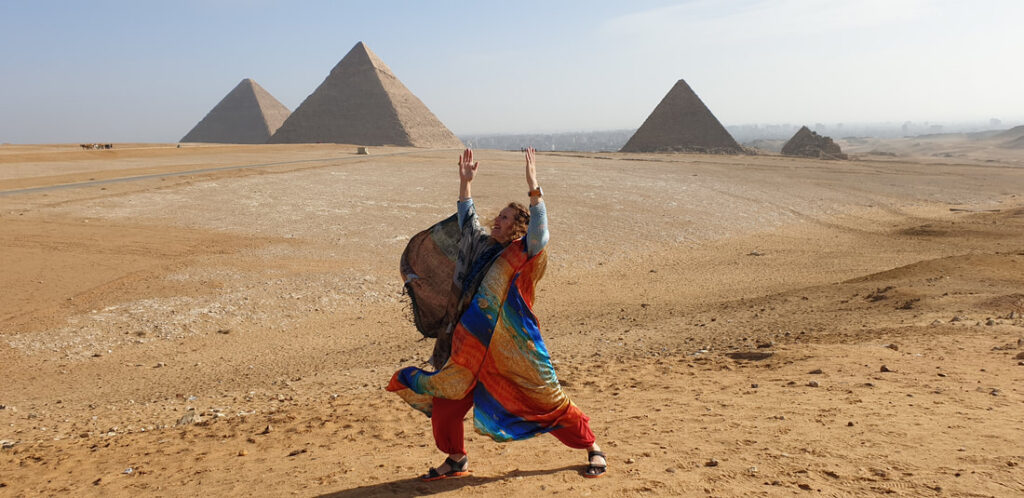
Through our five senses, the physical world looks incredibly solid. Yet, even the Great Pyramids and Uluru are slowly eroding. If you believe you are completely separate from the environment around you, you are living in Avidya.
To remove this veil, we must cultivate Vidya—pure awareness. Vidya is waking up to see things exactly as they truly are, recognizing that everything comes from one single source. The universe is a fluid manifestation of divine energy. We, alongside the animals, the rocks, the water, the earth, the fire, and the air, are made of the very same matter, recycled over and over again for billions of years. Your spirit has never been separate from the Oneness of Creation; we use yoga simply to find our way back to that baseline.
Asmita: The Construct of Ego
Born directly out of ignorance is Asmita, the ego or “I-am-ness.” Our physical senses encourage the ego to construct a separate persona, whispering, “I am unique and isolated. Everything else is not me.” This is the birth of duality. But the truth is that nothing can exist in isolation. The ego is merely a mental entity we label with our passing emotions and deep-seated insecurities. When you believe you are your thoughts and emotions, you live in a false reality, cutting yourself off from your full potential.
By witnessing life with the understanding that everything is constantly renewing itself, the grip of the ego loosens. We can move beyond its strict constructs to look deeply at what actually motivates us, learning to transform negative mental habits by deliberately replacing them with positive, elevated thoughts.
Raga & Dvesha: The Pendulum of Desire and Resistance
Together, ignorance and ego create the dual forces of Raga and Dvesha—the constant internal chatter of, “This is nice, I want it!” and “This is painful, I do not want it!”
- Raga is Attachment. It is the desperate clinging to pleasurable experiences under the false belief that they will bring everlasting happiness. Because change is the law of nature, this clinging inevitably leads to suffering when the object of desire is altered or lost. When we recognize the impermanence of all things, we stop grasping. Simply put, you learn to not be upset when your favorite ceramic bowl breaks, and you accept the natural flow of people moving in and out of your life.
- Dvesha is Aversion. This is the instinctual repulsion or resistance to things based on past experiences of pain. It manifests as anger, frustration, and deep resentment. By cultivating direct compassion and understanding the root causes of our triggers, we can step off this emotional rollercoaster. We learn to walk the middle path, striking a balance that frees us from the impact of volatile reactions.
Abhinivesha: The Fear of Mortality
The final, most deeply rooted poison is Abhinivesha—the survival instinct, the fear of change, and ultimately, the fear of death. When a person is trapped in the illusion of the ego, they cling desperately to their individual physical existence, viewing the approaching horizon of mortality with dread.
People so often fear getting old because they feel stuck in a rigid cycle of birth, sickness, and decay. They look ahead and see only aches, pains, and loss. But not everyone has the grand privilege of growing old. Old age brings a beautiful, hard-earned wisdom and an entire lifetime of rich experience; it is something to be profoundly proud of.
When we go beyond the limited definitions of our five senses, we discover that our inner spirit is completely eternal and untouched by time. There is no need to fear death when you realize the body is just a temporary vessel.
Returning to the Pure Heart
When we are born, our minds are entirely pure. Gradually, that baseline clarity becomes clouded by collective ideas, conditioned experiences, and emotional projections.
Yoga is the systematic process of removing these clouds. When the five Kleshas are cleared away, universal energy moves through you completely unobstructed. Even when you encounter a challenging season in life, your perspective shifts—you realise the universe is simply offering a necessary lesson to help your consciousness evolve. Guided by this trust, everything begins to happen without forced effort, perfectly unfolding in its own right time and place.