
Solar Plexus Chakra
New age Ideas
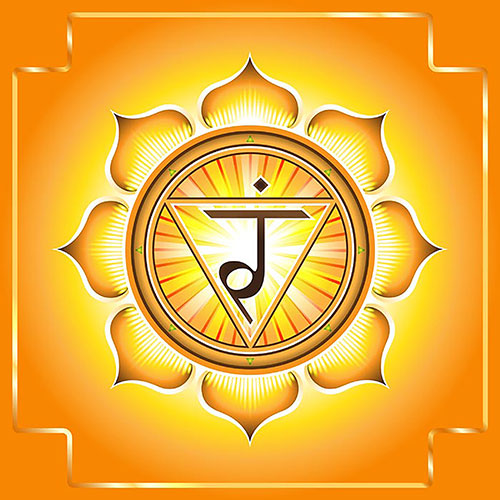
Manipura means “City of Jewels” or “lustrous gem of the city.”
MODERN MANIPURA AT A GLANCE
Evolution of Symbolism
The colour of Manipura chakra is yellow—a vibrant and energetic colour reflecting fiery energy. Manipura is our furnace that provides energy for transformation and manifestation. The colour has changed from the dark blue of classical Tantra to yellow, perhaps because yellow is the colour of the sun and fire.
Its association with the sense of sight reflects how we perceive ourselves and our world. The animal symbol is the ram, which symbolizes strength and courage. A ram is considered a strong and aggressive animal, which aligns with the Manipura chakra’s energy of self-worth, confidence, and inner strength.
Modern Anatomical Alignment

The solar plexus acts as the physical bridge for Manipura’s fire energy, regulating digestive health and our sympathetic stress response.
Manipura has changed position from the navel to the solar plexus, just below the rib cage, behind the stomach. In the original Sanskrit texts, Manipura is located exactly at the navel (Nabhi) because that is the centre of the body’s physical and energetic nourishment (the umbilical connection) and the seat of the digestive fire.
The Theosophists moved the chakra slightly upward, to the solar plexus, or celiac plexus, to make the concept of chakras more rational to a Western audience, linking the Manipura’s fire energy to the adrenal glands and the sympathetic nervous system. This complex nerve system regulates our fight-or-flight response and plays an important role in the functioning of the stomach, kidneys, liver, and adrenal glands.
Traits of Manipura
Personal Power and Identity
Manipura is associated with personal power, self-esteem, willpower, and the ability to take action. The solar plexus chakra is the home of our personal identity; it is the energy centre that houses the power of the sun, igniting us to fulfil our potential. It gives us the courage, personal power, discipline, strength, patience, and perseverance to walk confidently toward our dreams and fulfil our purpose in life.
When you cultivate Manipura chakra, you realize that you have inherent value that doesn’t depend on external sources of happiness, such as money or your job. You develop your own self-worth.
Agni in contemporary spiritual practice
Agni — the god of fire and the presiding deity of Manipura — serves as our inner sun and source of vitality in modern energy work. He is the spark residing at the core of the body, providing physical warmth, daily enthusiasm, and deep spiritual drive.
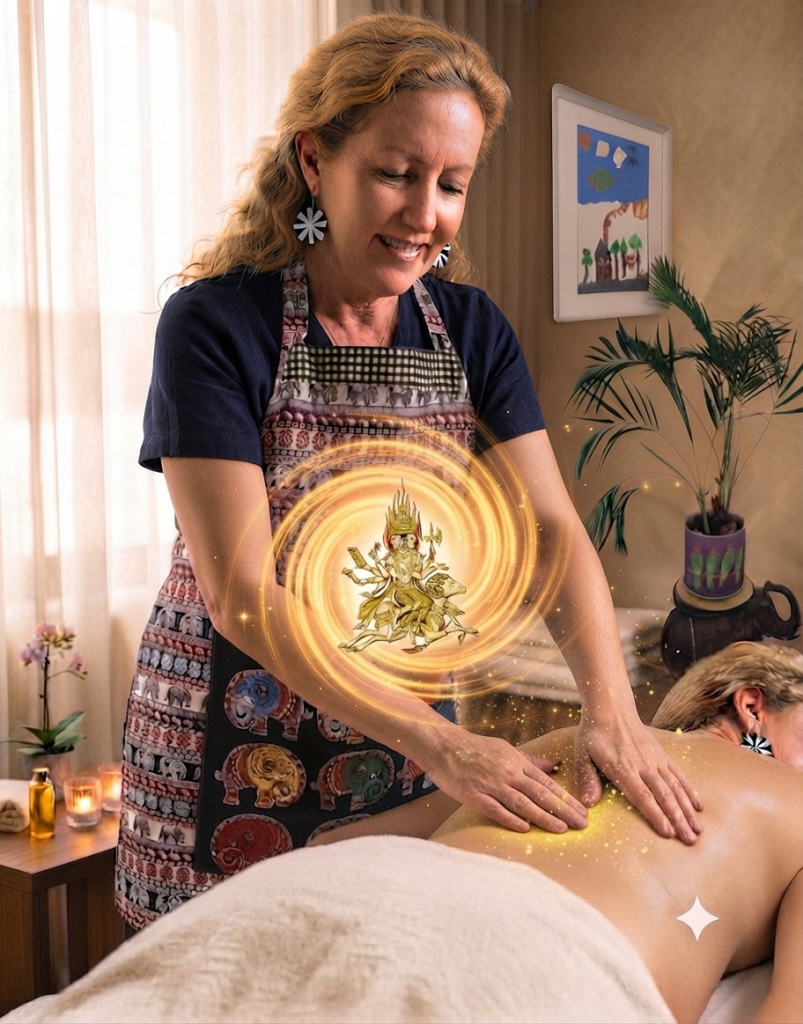
When Agni burns brightly within the solar plexus, a wellness practitioner can channel this radiant inner heat directly through their hands. By bringing the warmth of the solar centre into physical touch, this focused energy dissolves stagnant emotions, melts away muscle tension, and restores deep vitality to the body.
Connecting with Agni brings a lively spark to everyday wellness — linking Ayurvedic digestion with subtle body work to turn physical energy into vibrant life force (prana). And unlike many ancient deities hidden in ancient texts, Agni remains a vibrant, everyday presence in Indian hearth and home traditions, making him a living, dynamic friend for modern meditation.
Healing the Solar Plexus (Manipura)
Overactive Signs:
Your inner fire might be burning too hot if you are:
- feeling aggressive, quick temper, impatience, or feeling frustrated.
- Perfectionistic or being harsh or critical of yourself and others.
- Ego-driven, arrogant, or seeking validation through power, status, or being right.
- A need to micromanage people or situations to feel secure
Underactive Signs:
You may have too little fire if you are:
- Feeling timid, or have digestive issues,
- Low self esteme, feeling unworthy, or feeling invisible.
- Struggling to make decisions, procrastination, or feeling helpless
- Sacrificing your own needs to please others
- Feeling unmotivated or lacking direction
If your Inner sun needs a boost use affirmations like:
- “I am worthy of my own self-love”
- “I am worthy of respect, love, and my own self-worth.”
- “I honor my boundaries and speak my truth with confidence.”
- “I have the power and discipline to fulfill my purpose.”
- “I ignite my inner fire, transforming my personal power into clear, purposeful action.”
Setting Boundaries: Overcoming People-Pleasing
- It is ok to say “no”. Learn not to feel guilty about it.
- Put your own needs first. It isn’t selfish; it is important to replenish your energy so you can support others.
- Honor your limits and communicate them clearly.
- Let others know what you can and cannot do without over-explaining or apologizing, as transparent communication protects your emotional well-being.
Somatic & Physical Practices
- Meditation & Color Visualization: Visualize a bright, radiant golden-yellow sun shining in the upper abdomen, radiating warmth and strength throughout your entire body.
- Movement & Core Engagement: Yoga poses that build abdominal heat and twist the midsection (such as Navasana / Boat Pose, Utkatasana / Chair Pose, and seated twists like Ardha Matsyendrasana).
- Breathwork (Pranayama): Kapalabhati (Breath of Fire) or Bhastrika (Bellows Breath) to kindle the digestive and energetic fire (Agni).
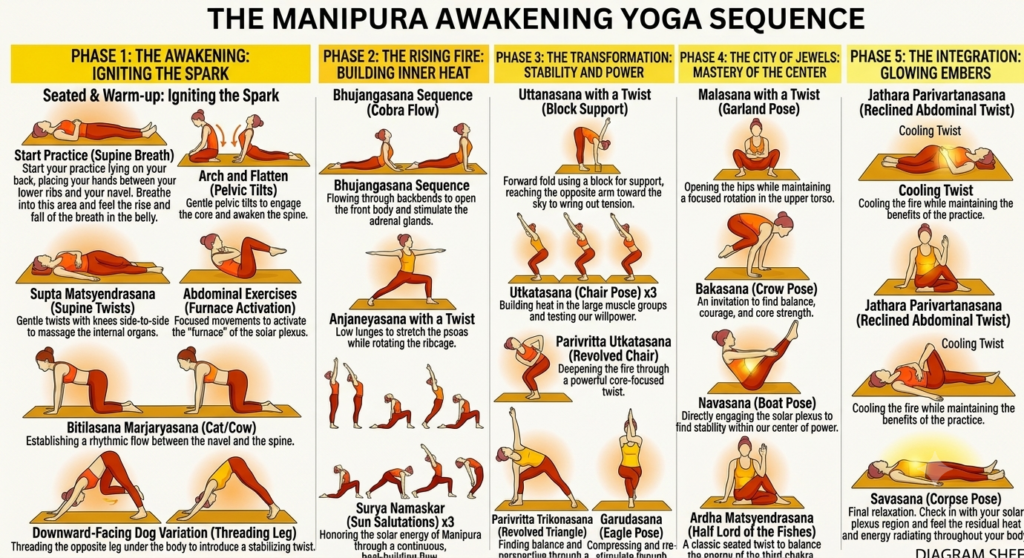
Exploring Manipura in Your Practice
Through core awareness, twists, and gentle backbends, we can build heat and generate energy in this area—stimulating the organs, glands, and nerve endings while balancing the fire of the third chakra.
(Only attempt what is accessible and safe for your body today. Use blocks or blankets where needed.)
The Awakening: Igniting the Spark
Start your practice lying on your back, placing your hands between your lower ribs and your navel. Breathe into this area and feel the rise and fall of the breath in the belly.
- Arch and Flatten: Gentle pelvic tilts to engage the core and awaken the spine.
- Supta Matsyendrasana: Gentle twists with knees side-to-side to massage the internal organs.
- Abdominal Exercises: Focused movements to activate the “furnace” of the solar plexus.
- Bitilasana Marjaryasana (Cat/Cow): Establishing a rhythmic flow between the navel and the spine.
The Rising Fire: Building Inner Heat
- Adho Mukha Svanasana (Downward-Facing Dog Variation): Threading the opposite leg under the body to introduce a stabilizing twist.
- Bhujangasana Sequence (Cobra): Flowing through backbends to open the front body and stimulate the adrenal glands.
- Anjaneyasana with a Twist: Low lunges to stretch the psoas while rotating the ribcage.
- Surya Namaskar (Sun Salutations) x3: Honoring the solar energy of Manipura through a continuous, heat-building flow.
The Transformation: Stability and Power
- Uttanasana with a Twist: Forward fold using a block for support, reaching the opposite arm toward the sky to wring out tension.
- Utkatasana (Chair Pose) x3: Building heat in the large muscle groups and testing our willpower.
- Parivritta Utkatasana (Revolved Chair): Deepening the fire through a powerful core-focused twist.
- Parivritta Trikonasana (Revolved Triangle): Finding balance and perspective through a grounded standing twist.
- Garudasana (Eagle Pose): Compressing and releasing energy to stimulate the nervous system.
The City of Jewels: Mastery of the Center
- Malasana with a Twist (Garland Pose): Opening the hips while maintaining a focused rotation in the upper torso.
- Bakasana (Crow Pose): An invitation to find balance, courage, and core strength.
- Navasana (Boat Pose): Directly engaging the solar plexus to find stability within our center of power.
- Ardha Matsyendrasana (Half Lord of the Fishes): A classic seated twist to balance the energy of the third chakra.
The Integration: Glowing Embers
Savasana (Corpse Pose): Final relaxation. Check in with your solar plexus region and feel the residual heat and energy radiating throughout your body.
Jathara Parivartanasana (Reclined Abdominal Twist): Cooling the fire while maintaining the benefits of the practice.