
Introduction: New Age vs Traditional Concepts
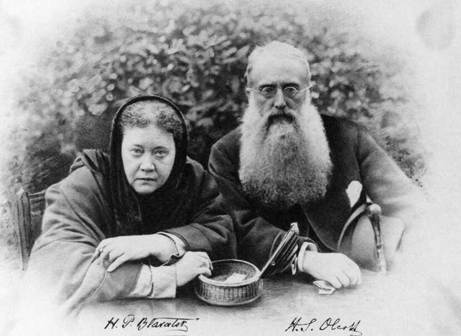
There are two brands of chakras. The modern, rainbow coloured chakra system comes from neo-tantra, new age religion and western occultism. It is founded in the radical new belief system that originated from the Theosophical society in 1885 to 1920. The Theosophical Society was established by two mystics, Madame Blavatsky and Henry Olcott.
The Modern Western System
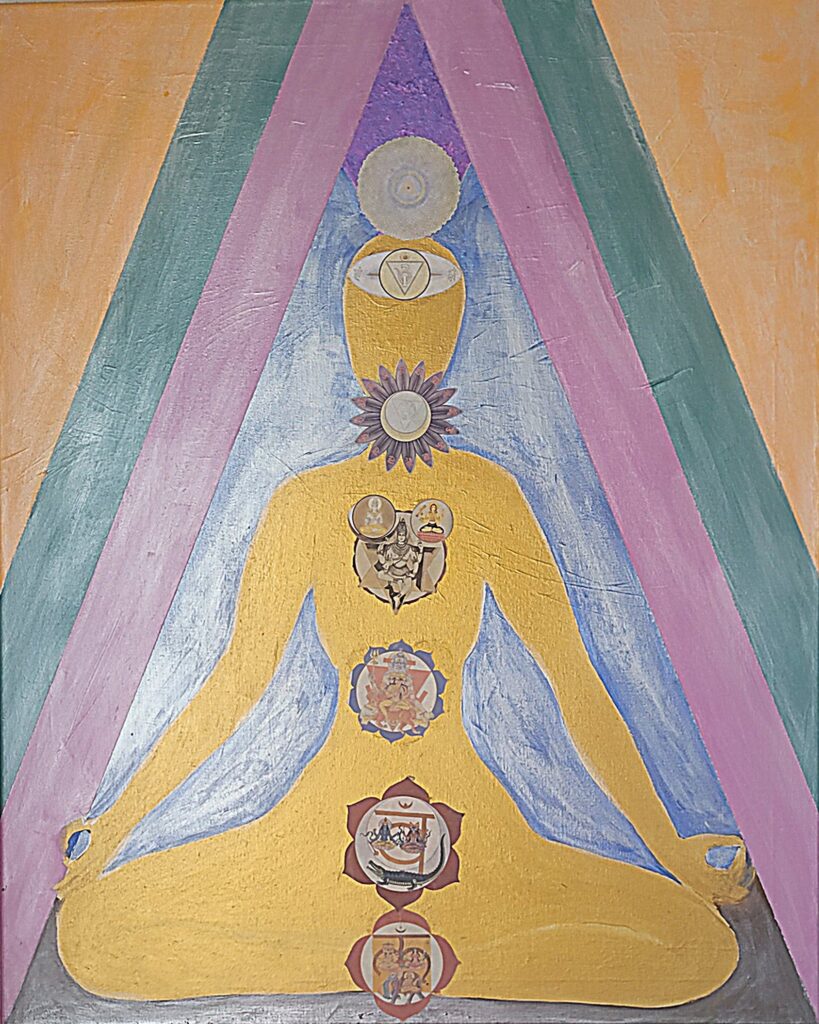
Our Western culture has adopted new, simplified practices that have become standard practice. These standard practices have translated back to India in cross-cultural exchange. Yoga has become a profitable business, moving away from its original purpose of union with the divine. Many of these New Age practices haven’t even been around for a lifetime. While they can be useful tools for navigating modern psychological stress, they serve a different purpose than the ancient path of spiritual union. You will find these practices collected in books like those by Anodea Judith. She gives corresponding angels from the Christian religion, Sephira from the Jewish religion, Greek and Roman gods, Hindu deities, tarot, glands, gems, colour, malfunctions, herbs, foods etc, in fact all the world’s religions and belief systems collected into what was originally a tantric practice from India.
Psychoanalysis and Trauma
It is beneficial to psychoanalyse your issues as all issues need be digested to be transformed. Once they have been analysed, they can be absorbed and let go. So there is benefit in the Western chakra system. We have all been through trauma in our lives, this is where psychoanalysis is very helpful. But don’t live in your trauma. The purpose of psychoanalysis is to help us to get over trauma, so the trauma will not be the foundation of our life.
The Original Sanskrit Sources
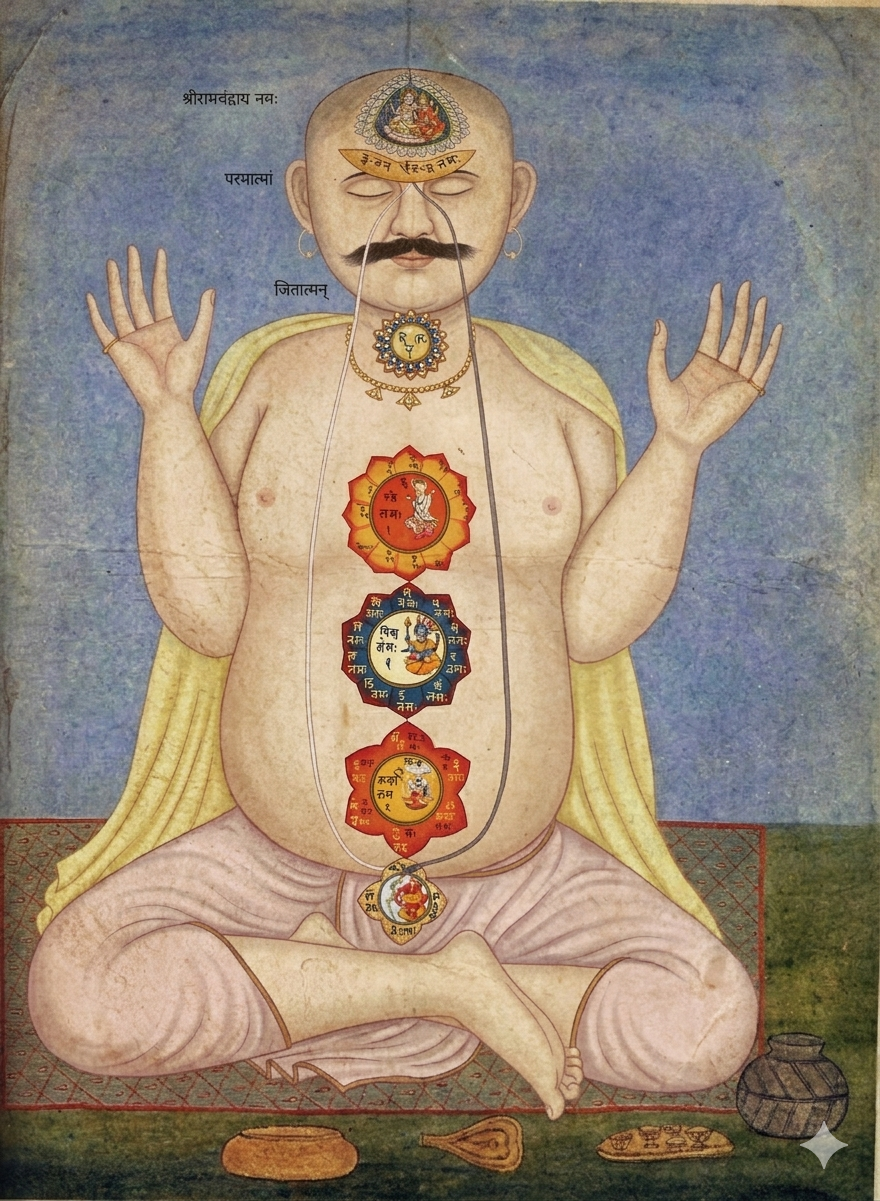
The second brand of chakras comes from the original Sanskrit sources that date back 1000’s of years. Both systems are valid, their potency depends on what works for you and what you believe in. If you want to reach union with the universe and are searching for enlightenment through spirituality then using the systems based on the ancient tantric sources with authentic practices that have been tried and tested for 1000’s of years will be the path that will serve you best.
Mind vs. Spirit
The original system of yoga uses the energy body to connect with the spirit. The new system tries to use psychoanalysis to work through blockages in the chakras. the modern system is a map of the ego, while the ancient system is a map of the soul. You can’t go on a spiritual journey using your mind, because the mind thinks, and it thinks its thoughts are real. To connect with spirit, you have to surrender the mind to the absolute and let go of thoughts and feelings, you connect with your inner guide, your intuition. Then the inner guide needs to be allowed to journey further to join the absolute and attain oneness with everything.
The Colonial Influence: Biology vs. Spirit
The Theosophical Society emerged during an era of massive Western expansion and scientific discovery. The 19th century saw the rise of inventions like electricity and the telephone, alongside great leaps in medicine. In this atmosphere, it is no wonder the Theosophical Society viewed itself as superior to the age-old wisdom of Indian sages. They felt a need to instill unseen energy into something they could see and touch.
In their attempt to make the ‘unseen’ energy of the East fit into the ‘seen’ world of Western medicine, they forced the chakras into the framework of the endocrine system and nerve plexuses. They completely ignored Ayurveda, the ancient Indian medical system that had already mapped the body’s health for millennia. Instead of consulting this authentic tradition, they chose to prioritize Western biology.
The 7 Chakra System
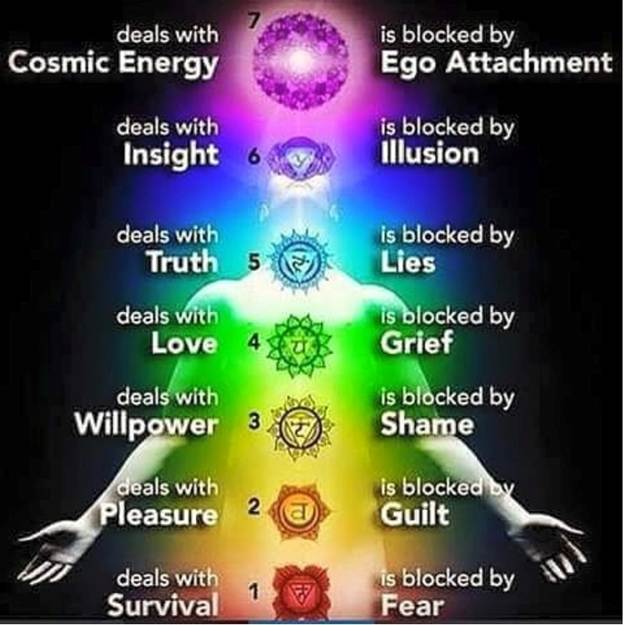
Madame Blavatsky decided she liked the system of seven chakras specifically because it matched her ideas of human biology. The theosophists essentially tried to turn a spiritual map into a biological one, ignoring the wisdom of the sages who understood that the energy body (Linga Sharira) exists on a different plane than the physical flesh. While this seven-chakra rainbow system has become the one most widely known today, it remains a Western alignment of energy with the endocrine system—a departure from the original understanding that the energy body is separate from the physical body.
Jung and the Archetypal Shift
This modern idea that each chakra is associated with a psychological archetype—one that needs to be analyzed and “worked through”—comes largely from the influential psychoanalyst Carl Jung. Jung’s focus was on individuation: the lifelong process of balancing the conscious and unconscious elements of the self. While his concepts of synchronicity and the collective unconscious were groundbreaking for Western psychology, they shifted the focus of the chakras away from energy and toward the mind.
The Original Path: Transformation and the Linga Sharira
The Linga Sharira (Subtle Body) is far more complex than the “astral double” described by 19th-century occultists. To understand it, we must look at the Five Koshas—the five sheaths of existence that veil the Atman (the True Self). While the Theosophists tried to simplify this, the original Tantric sources reveal a map of consciousness that is much more profound:
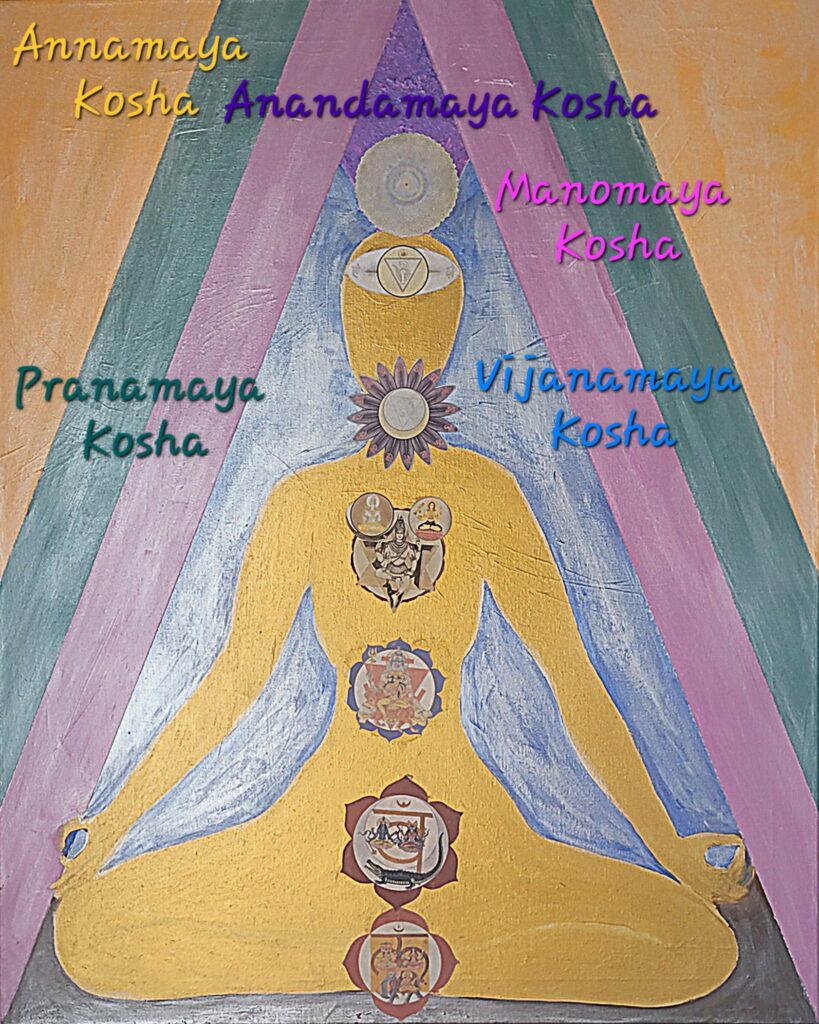
Annamaya Kosha: The Physical sheath (nourishment).
Pranamaya Kosha: The Vital Energy sheath (breath and prana).
Manomaya Kosha: The Mental sheath (thought and emotion).
Vijnanamaya Kosha: The Intellectual sheath (wisdom and intuition).
Anandamaya Kosha: The Bliss sheath (the layer closest to the Divine).
In this Westernized model, the chakras became tools for psychological development. But there is a vital distinction to be made: we are working with energy and spirit, not just the body and mind. In traditional Hindu Yoga, there is no “balancing” of chakras through psychological archetypes. Instead, the focus is on transforming, purifying and awakening the energy centers—not through gems or therapy, but through the descent of grace or the ascent of the Kundalini force.
My Heart’s Desire: A Return to Ancient Yoga Physiology
Formulating this new series of chakra classes has led me to discover ancient meanings and practices that are deeper than the neo-chakra system. Like many, I began with the Western system, but my journey led me to discover that the original Sanskrit sources offer a depth that the modern ‘rainbow’ model simply cannot reach. I have divided the following pages into two: the modern system for Western minds, and the original systems that goes back before Theosophical Society, which often viewed Eastern wisdom through a lens of Colonial cultural superiority of the 19th century.